
On October 20, 2022, I went to a friend’s house with a few other women after leaving work. Suddenly, I started feeling dizzy, and my friends laid me on the floor. I had to put a damp cloth over my eyes because they kept moving back and forth on their own, so the cloth made it easier not to focus on anything. My friend called my husband, who told her that I might try to say I was feeling better and not to listen to me. She called an ambulance, and my friend followed me while my husband would meet us at the hospital.
A CT scan revealed that I had a subarachnoid hemorrhage and a right PICA aneurysm. I was transported to another hospital for an angiogram to address the problem, and the prognosis seemed good initially.
However, things took a turn for the worse. I became unresponsive after a rebleed and had to be resuscitated after coding. They intubated me because I was not breathing on my own, and they kept me heavily sedated.
What is a PICA aneurysm?
A posterior inferior cerebellar artery (PICA) aneurysm is a bulge or weakness in the wall of the PICA, a blood vessel that supplies the back of the brain. PICA aneurysms are relatively rare, accounting for about 1% of all intracranial aneurysms. LEARN MORE
The surgeon placed a drain on the right side of my scalp to relieve pressure from the blood causing my brain to swell. When insufficient blood was being drained from the right side, the surgeon put in a second drain on the left side as well. A follow-up CT scan showed significant progression of bleeding that caused compression of the cerebellum and brain stem. Three neurosurgeons decided to proceed with emergency surgery for a suboccipital craniectomy (a surgical procedure that involves removing a portion of the bone at the back of the head) and decompression. At this point, my condition was very grave, and the surgeons explained to my family that my injuries might be unsurvivable.
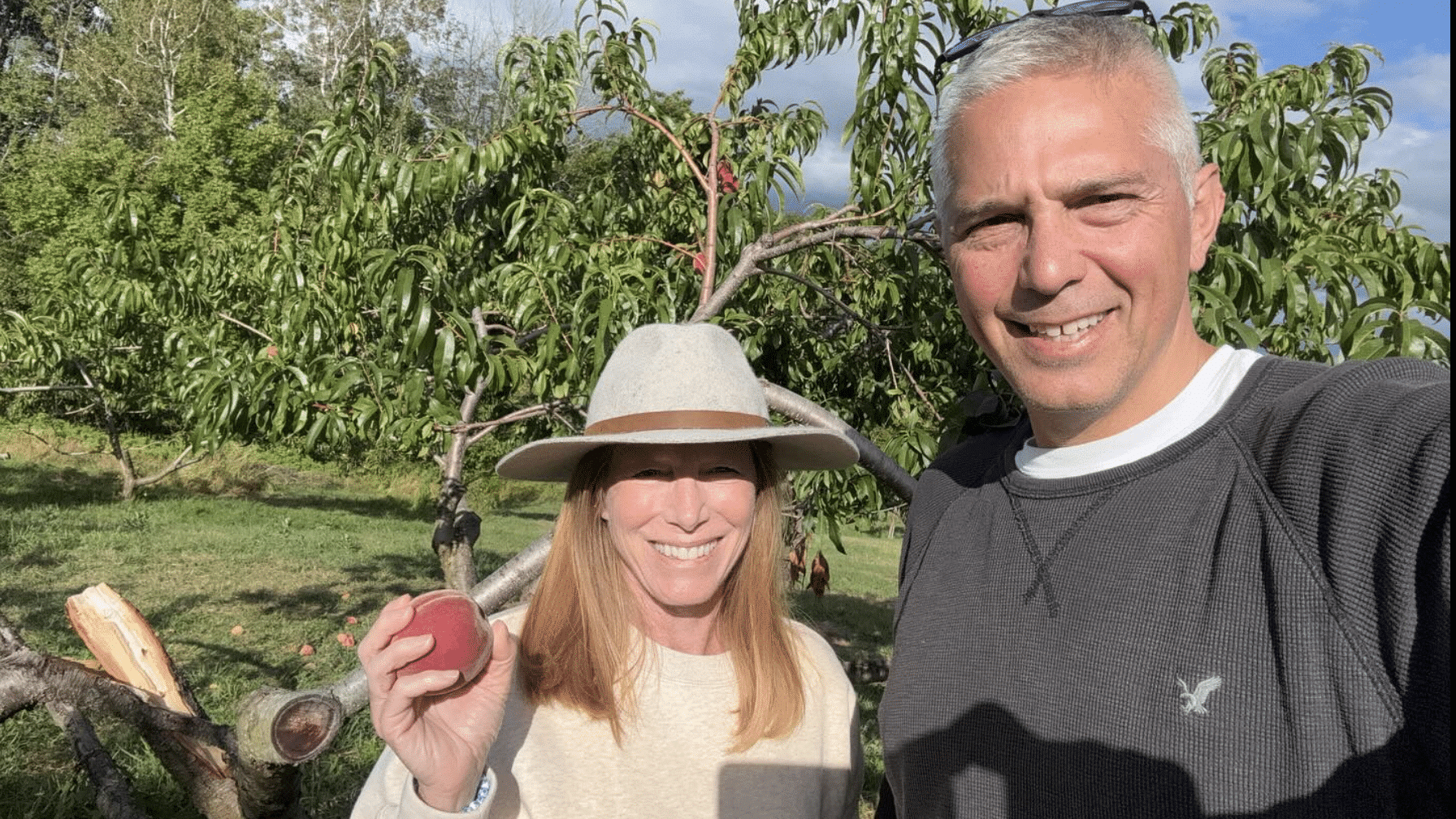
I came out of surgery, but the focus was solely on surviving the next 24 hours. Five days after the surgery, I began to open my eyes, but I was just staring off into space, and my eyes didn’t track anything. I had a feeding tube inserted in my abdomen. Eventually, I started to follow some commands by moving my right toe, but I had no other functions. My family was informed about the possibility of a “locked-in” condition.
Slowly, I began to follow more commands in the hospital, blinking to answer yes and no questions. My neurological exams were much better than what my scans were showing.
I was finally extubated after two failed attempts about two weeks after my stroke. I was then transported to a rehabilitation hospital after spending about a month at Maine Medical Center. During my month at the rehab hospital, I learned how to transport in a wheelchair and how to shower. Eventually, I was able to leave and spent two months living at my daughter’s house while she worked from home. She lived on one floor, helped me with my feeding tube, and watched over me. I received in-home physical therapy, occupational therapy, and speech therapy during this time. When I left, I was learning how to walk with a walker and go to the bathroom by myself.
“I won’t say it’s easy because it isn’t…But I’m alive and progressing every day.”
— Carol
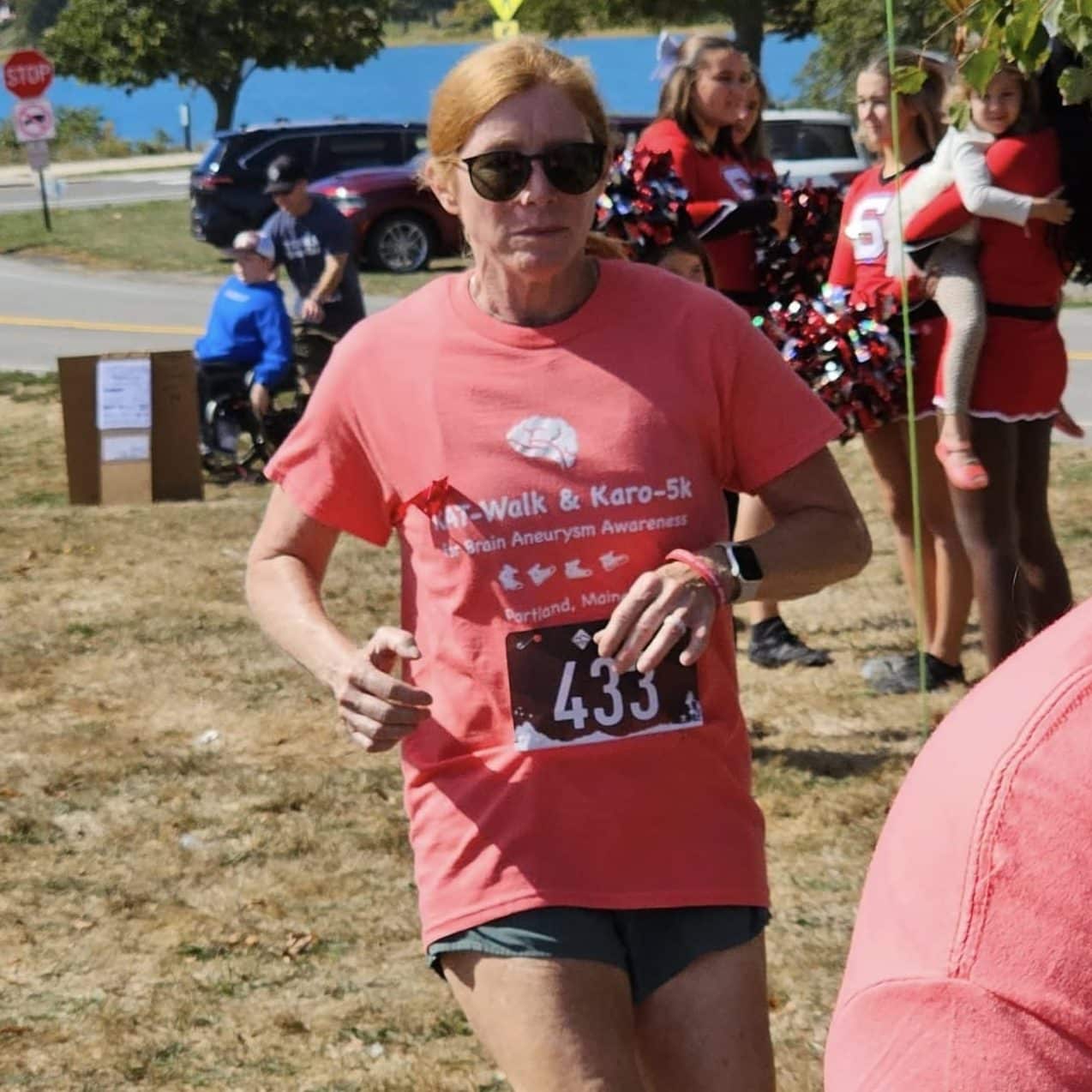
After returning home, I went to NE Rehab three times a week for a year for speech therapy, occupational therapy, and physical therapy. I recently celebrated my three-year anniversary since that horrible day, and I’m progressing every day. I go to the gym a few days a week, run a couple of times a week, hike, read, garden, and cook—the list goes on. I won’t say it’s easy because it isn’t. I don’t do things the way I used to; I have balance issues, no hearing in my right ear, my right eye doesn’t track correctly, and I experience vestibular, processing, and distraction issues. But I’m alive and progressing every day. As I mark my three- year anniversary, I am beginning to contemplate the idea of acceptance. For a long time, I thought that if I accepted my new self, I would be giving up on progress. I now realize that’s not true.
I’ve joined the Maine Brain Aneurysm Awareness group and it has made such a positive impact. They offer a space to talk openly with people who truly understand because they’ve faced similar challenges. Sharing experiences helps reduce my feelings of isolation, builds confidence, and provides new ways to cope. Sometimes just knowing you’re not alone makes all the difference.
Your Stories Matter
Every journey through a brain aneurysm is unique. We invite survivors, family members, and advocates to share their personal stories of hope, resilience, and recovery. By spotlighting these narratives, we not only foster community but also inspire others facing similar challenges. Your voice can make a difference.