
Search

Diagnosis & Treatments

Diagnosis

Because unruptured brain aneurysms often do not cause any symptoms, many are discovered in people who are being treated for a different condition. If your doctor believes that you have a brain aneurysm, you may have the following tests:

ct scan photo

CT/CTA Scans

Computed Tomography (CT)
A CT scan can help identify bleeding in the brain. Sometimes, a lumbar puncture may be used if your doctor suspects that you have a ruptured cerebral aneurysm with a subarachnoid hemorrhage.

Computed Tomography Angiogram (CTA)
CTA is a more precise method of evaluating blood vessels than a standard CT scan. CTA uses a combination of CT scanning, special computer techniques, and contrast material (dye) injected into the blood to produce images of blood vessels.

mri photo

MRA

Magnetic Resonance Angiography (MRA)
Similar to a CTA, MRA uses a magnetic field and pulses of radio wave energy to provide pictures of blood vessels inside the body. As with CTA and cerebral angiography, a dye is often used during MRA to make blood vessels show up more clearly.
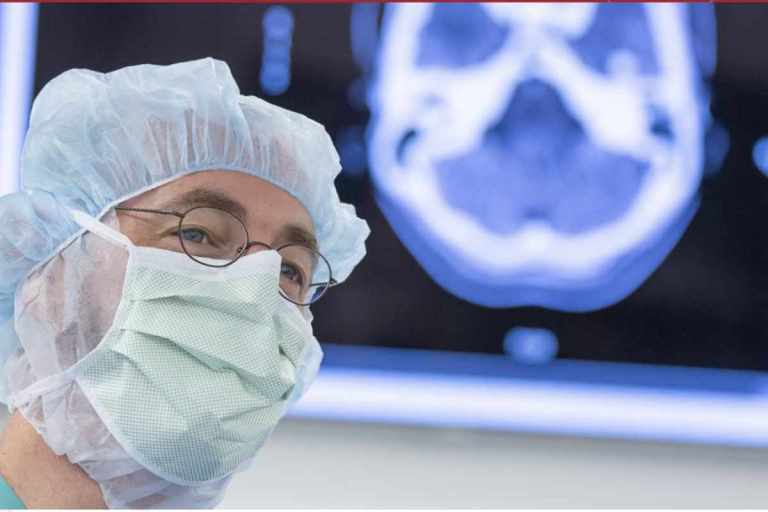
angiogram

Cerebral Angiogram

Cerebral Angiogram
During this X-ray test, a catheter is inserted through a blood vessel in the groin or arm and moved up through the vessel into the brain. A dye is then injected into the cerebral artery. As with the above tests, the dye allows any problems in the artery, including aneurysms, to be seen on the X-ray.

If you have been diagnosed with an unruptured brain aneurysm the odds are already in your favor. Treatment options are available and if needed, they can save your life. Every case is different and every person’s brain structure is different. Your doctor will determine the best course of action for your particular set of issues. The size and location of your aneurysm and your overall health are taken into consideration. The medical advancements over the years are contributing significantly to higher survival rates of unruptured brain aneurysms.

Ruptured brain aneurysms require more sensitivity due to life and death risk factors and your medical experts will decide which options are the best for your specific situation. Some ruptures may require long hospital stays and open surgery, whereas other ruptures won’t require lengthy hospital stays and less invasive procedures.

Treatments

The treatment options for a brain aneurysm depend on a few things. These things include your age, size and location of the aneurysm, any additional risk factors, and your overall health.

If you have an aneurysm with a low risk of rupture, you and your doctor may want to continue to observe your condition rather than do surgery. You might make this choice because surgery also has risks. Your doctor may suggest ways to keep your blood vessels as healthy as possible, such as managing high blood pressure and not smoking. If your aneurysm is large or causing pain or other symptoms, though, or if you have had a previous ruptured aneurysm, your doctor may recommend surgery.

The following procedures are used to treat both ruptured and unruptured brain aneurysms:

Illustration of Aneurysm Coiling and artery

Endovascular Coiling

During this procedure, a small tube is inserted into the affected artery and positioned near the aneurysm. Small soft metal coils are then moved through the tube into the aneurysm, filling the aneurysm and making it less likely to rupture.

This procedure is less invasive than surgery. But still involves risk, including rupture of the aneurysm.

This procedure is performed by an endovascular neuro-radiologist in the radiology department.

Illustration of stent and coils in brain aneurysm

Endovascular Stent/Flow Diverter

During these procedures, mesh stents or flow diverters (sometimes called pipeline) are placed in the aneurysm, reducing blood flow to the aneurysm and making it less likely to rupture.

This procedure is less invasive than surgery. But still involves risk, including rupture of the aneurysm.

This procedure is performed by an endovascular neuro-radiologist in the radiology department.

Illustration of clipped brain aneurysm on artery

Surgical Clipping

This open brain surgery involves placing a small metal clip around the base of the aneurysm to isolate it from normal blood circulation. This decreases the pressure on the aneurysm and prevents it from rupturing. Whether this surgery can be done depends on the location of the aneurysm, its size, and your general health. Recovery time is lengthier.

This procedure is performed by a neurosurgeon within an operating room setting.

INSELSPITAL | Images: University Clinic for Neurosurgery, Inselspital Bern © CC BY-NC 4.0

Aneurysms that have bled are very serious. In many cases, they lead to death or disability. Management includes hospitalization, intensive care to relieve pressure in the brain and maintain breathing and vital functions (such as blood pressure), and treatment to prevent rebleeding.

Disclaimer

The Maine Brain Aneurysm Awareness Committee (MBAAC) does not provide medical advice and does not recommend, endorse or make any representation about the efficacy, appropriateness or suitability of any specific tests, products, procedures, treatments, services, opinions, health care providers or other information that may be contained on or available through this website or our social media.

NEVER DISREGARD PROFESSIONAL MEDICAL ADVICE OR DELAY SEEKING MEDICAL TREATMENT BECAUSE OF SOMETHING YOU HAVE READ ON OR ACCESSED THROUGH THIS WEBSITE.

MBAAC’s website and social media contains information that is intended to educate patients and their caregivers about brain aneurysms. It is not intended to be a substitute for professional medical advice, diagnosis or treatment. It is crucial that care and treatment decisions related to vascular malformations of the brain and any other medical condition be made in consultation with a doctor or other qualified medical professional. Articles that MBAAC utilize are not vetted by any medical professionals associated with MBAAC. We use our discretion to choose topics that may be of interest to members of our community.