
A person may inherit the tendency to form aneurysms, or aneurysms may develop because of hardening of the arteries (atherosclerosis) and aging. Some risk factors that can lead to brain aneurysms can be controlled, and others can’t. The following risk factors may increase your risk for an aneurysm or, if you already have an aneurysm, may increase your risk of it rupturing:

Family History: People who have a family history of brain aneurysms are more likely to have an aneurysm than those who don’t.

Previous Aneurysm: There’s a 20% risk of developing additional aneurysms if you have already experienced one.

Gender & Age: Aneurysms are more common in females by about 60%, especially in the postmenopausal age group, where the risk is more than twice as high.

High Blood Pressure: The risk of subarachnoid hemorrhage is greater in people who have a history of high blood pressure.

Smoking: The use of cigarettes may greatly increase the chances of a brain aneurysm rupturing.

Drugs/Heavy Alcohol Use: People who use drugs, such as cocaine, or drink a lot of alcohol have a higher risk of a brain aneurysm.

Race: African Americans treated for unruptured brain aneurysms experience worse outcomes and longer lengths of stay when compared to Caucasians.

Kidney Disease: Autosomal polycystic kidney disease is associated with an increased risk of brain aneurysms, with one study finding brain aneurysms in 12% of screened patients.
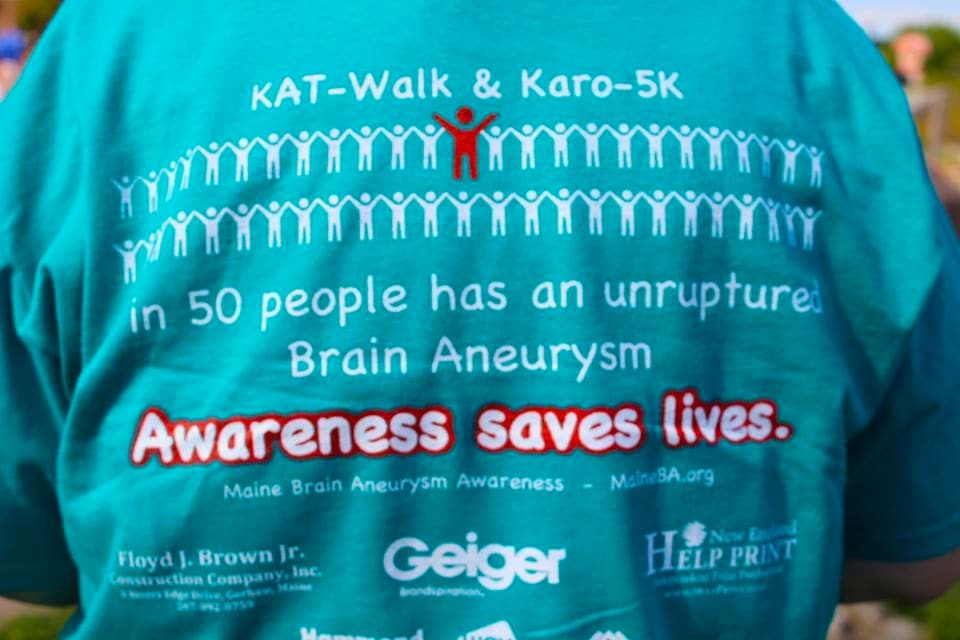
As part of Brain Aneurysm Awareness Month (September), the goal of the Maine Brain Aneurysm Awareness Committee is to educate the general public about brain aneurysms and the possible signs and treatments to promote earlier diagnosis and treatments.
Learn more about what symptoms, diagnosis’, treatments, and general support on our website.