
My Peach-Pit Aneurysm
I am an avid runner and in 2015, after having completed a 10k the previous day, I had a very bad headache that wouldn’t go away. I called my doctor and she got me into a neurologist. He recommended an MRI. After a couple of weeks, I had the MRI and they called me back within two hours. Thinking I had a tumor, I was surprised when doctors told me they found an aneurysm the size of a peach pit that had a large crustacean around it which they said was why it hadn’t ruptured.
“I was surprised when the doctors told me they found an aneurysm the size of a peach pit…”
– Tonya
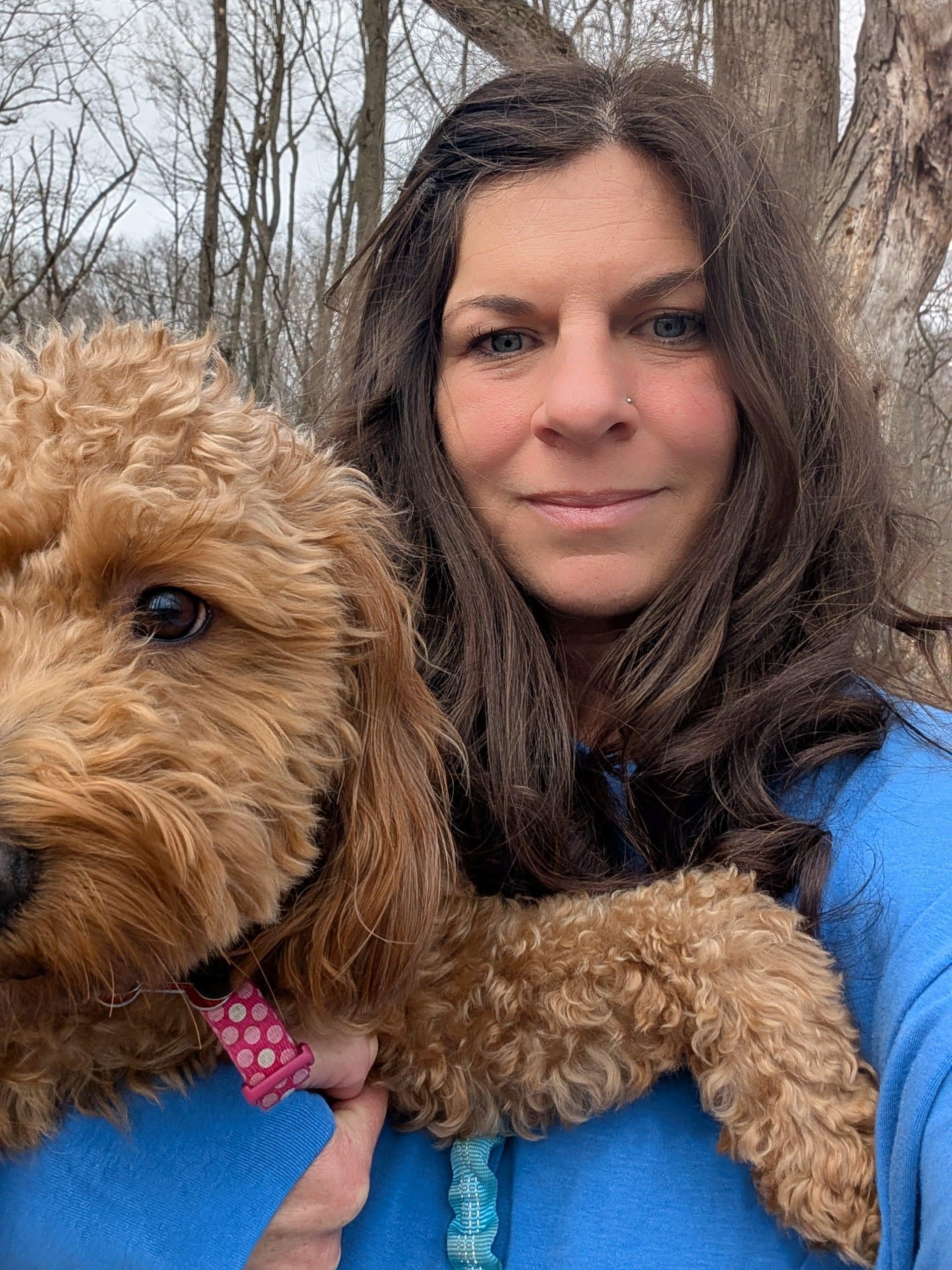
From there, I saw a neuro doctor who deals with brain aneurysms. He recommended the relatively new pipeline embolization device. I had a 6-hour procedure in May that was not successful, so they held off on repairing it.
Once I was sufficiently recovered from the failed attempt, I had a 14-hour procedure in July at Metropolitan Hospital in Wyoming, Michigan, with the doctor that showed my doctor how to do the pipeline device procedure. Three other small brain aneurysms were also discovered and treated during the procedure.
Unfortunately, afterwards I was unable to use the left side of my body, and my motor skills were off. I stayed in the ICU for almost a week and then was discharged to home, where occupational and physical therapy came for visits.
I needed to use a walker, a wheelchair, and other handicapable equipment and supplies. I am also left-handed, so everything I did was more of a challenge and took longer to accomplish.
Recovery was really difficult because my daughter was three years old at the time. Even though I had the help of my husband, my parents, my in-laws, and friends, I became frustrated and very depressed, not knowing if I would ever get the feeling in my left side again. My daughter is who kept me alive and fighting to get better, and finally, almost a year later, I regained use of my left side. Today, the only lingering side effects are some memory issues and head tremors. My head is very sensitive to pressure, so flying isn’t my favorite thing to do.
After a series of follow-up angiograms, it was determined that the pipeline had successfully blocked blood from getting into the aneurysms. Now, instead of yearly angiograms, I continue to have MRIs just every three years to monitor my brain.
I went back to work as a corporate travel agent in October of that year. And even though I was told I might not run again, it’s 2026 and I’m running and doing spin classes!
My daughter is now a 14-year-old high schooler who remembers the “bad boo-boo in your head” as she called it when I was sick. I had a lot of PTSD from the experience and still find I am dealing with that today, 11 years later.
I consider myself a miracle and so happy to be alive! In many cases, you can repair a brain aneurysm before it ruptures. If you have a major headache and nothing is helping it, be an advocate for yourself and insist on an MRI!
Your Stories Matter
Every journey through a brain aneurysm is unique. We invite survivors, family members, and advocates to share their personal stories of hope, resilience, and recovery. By spotlighting these narratives, we not only foster community but also inspire others facing similar challenges. Your voice can make a difference.